Controlled production and installation for non repetitive architectural systems
Location
Riyadh
Sector
Governmental
Year
2024
Key Quantities
2200m²
Scope
GRC
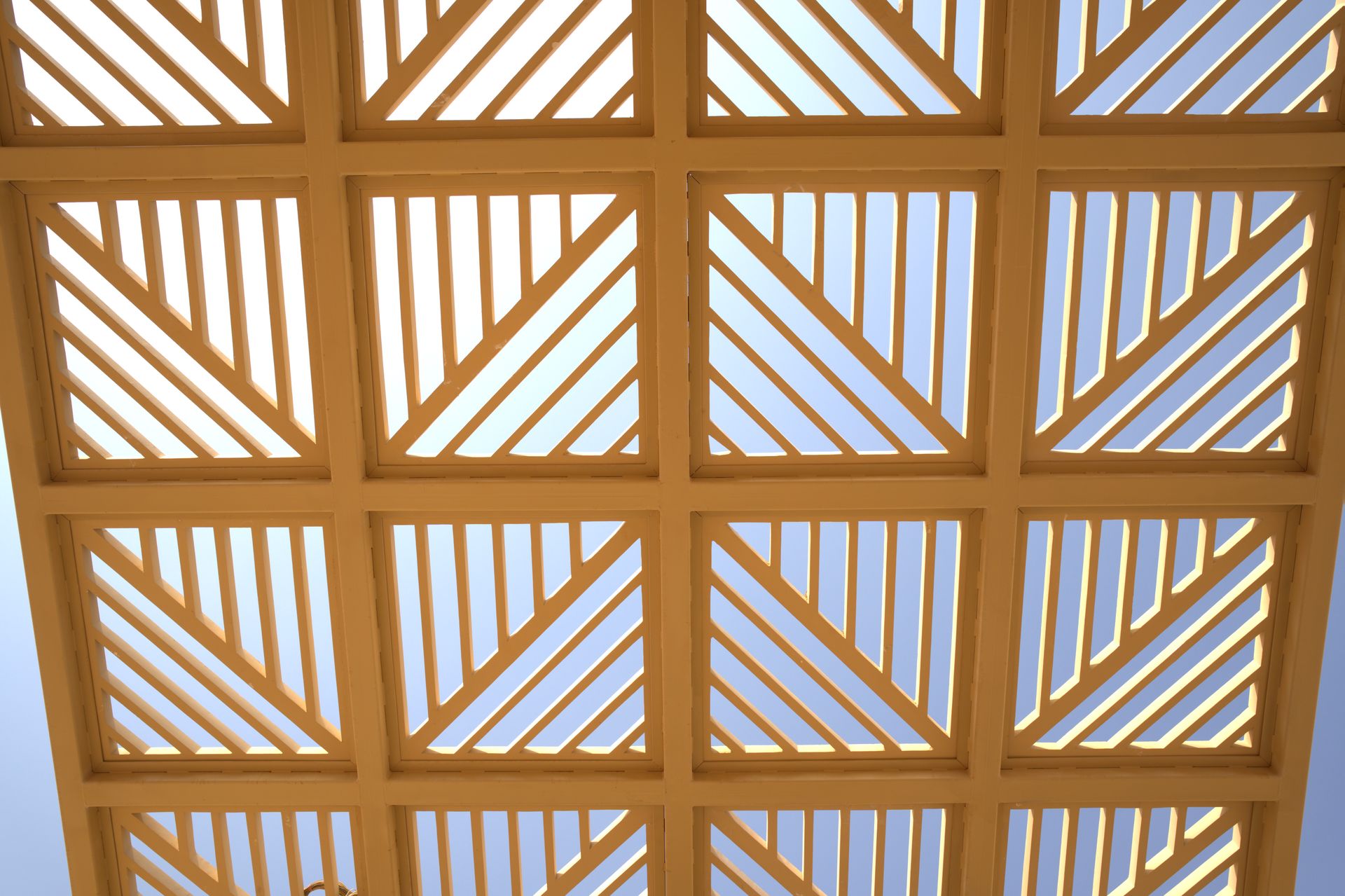
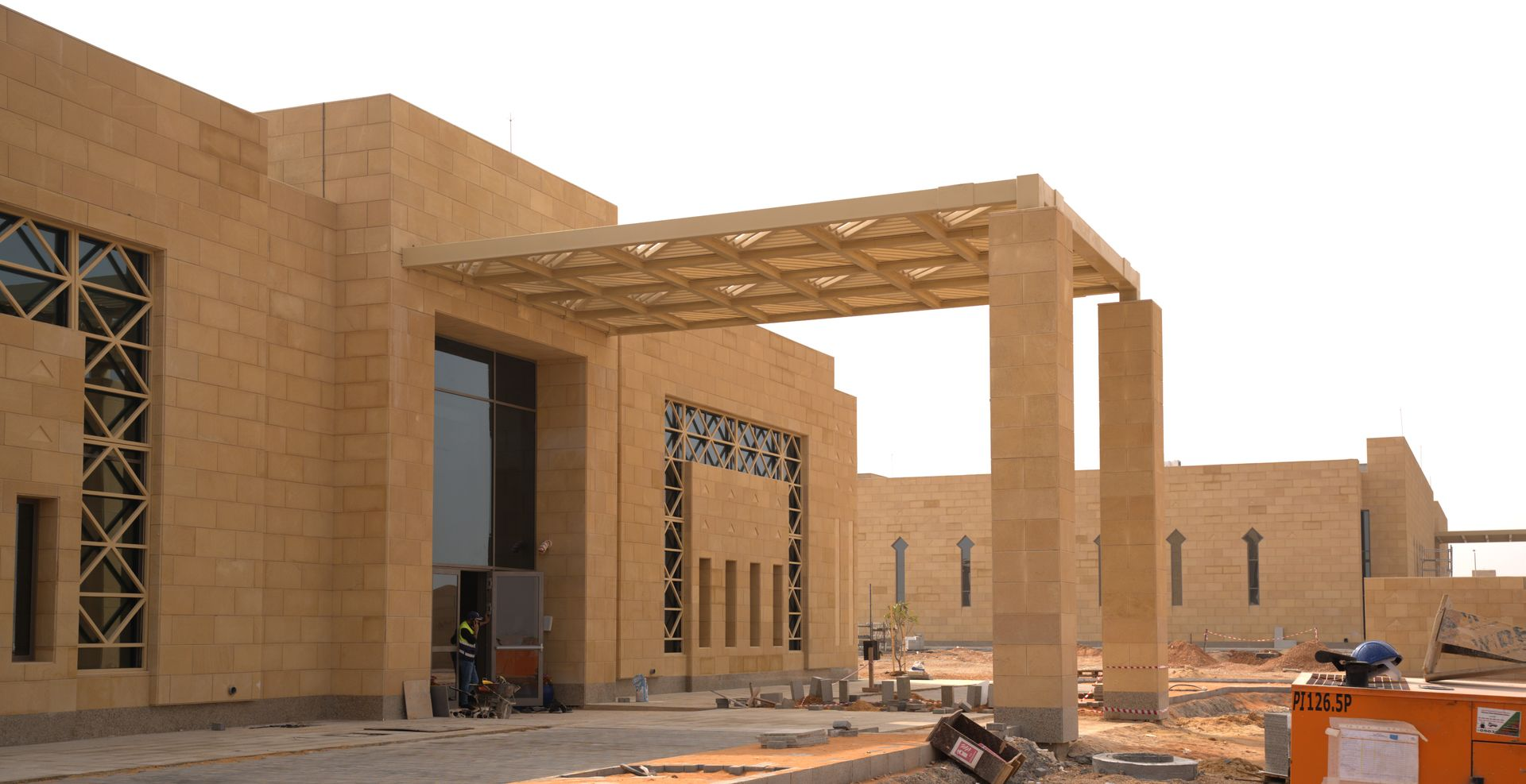
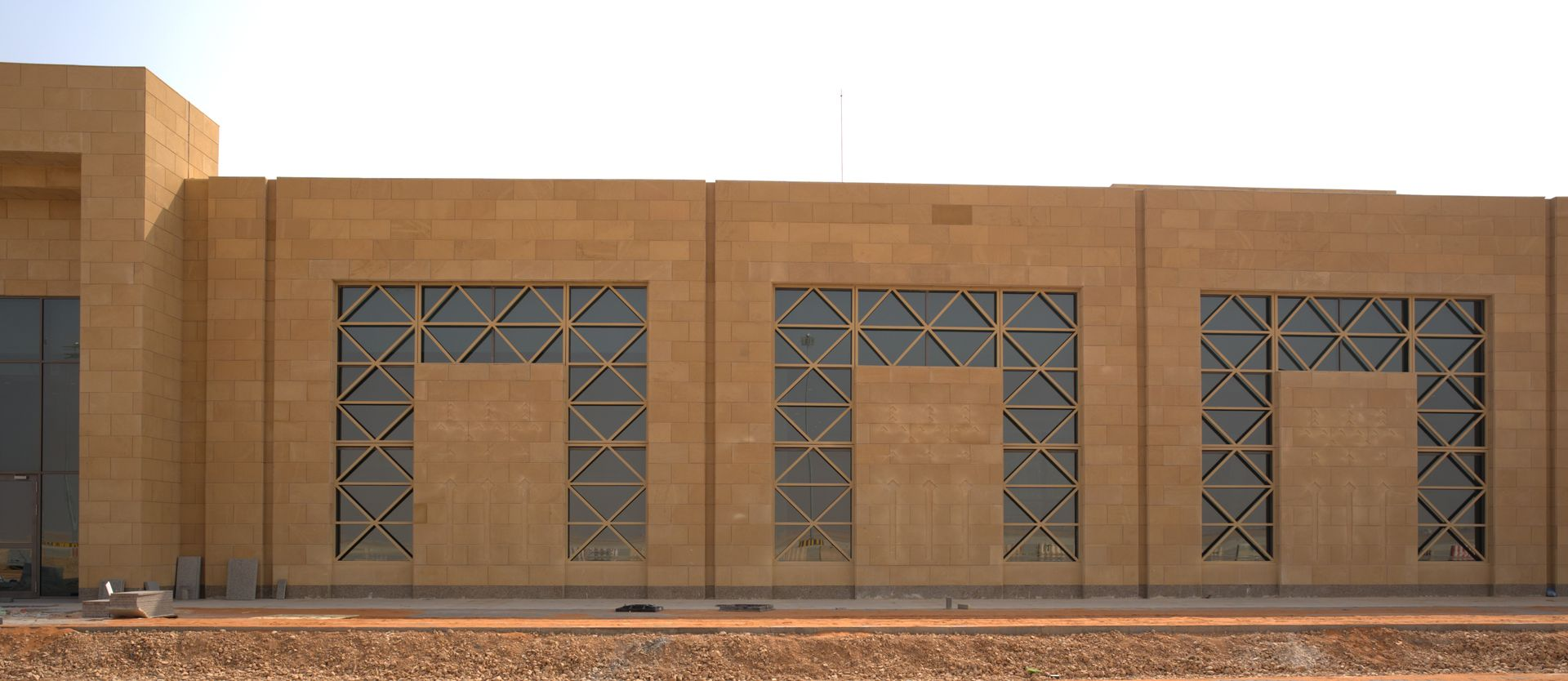
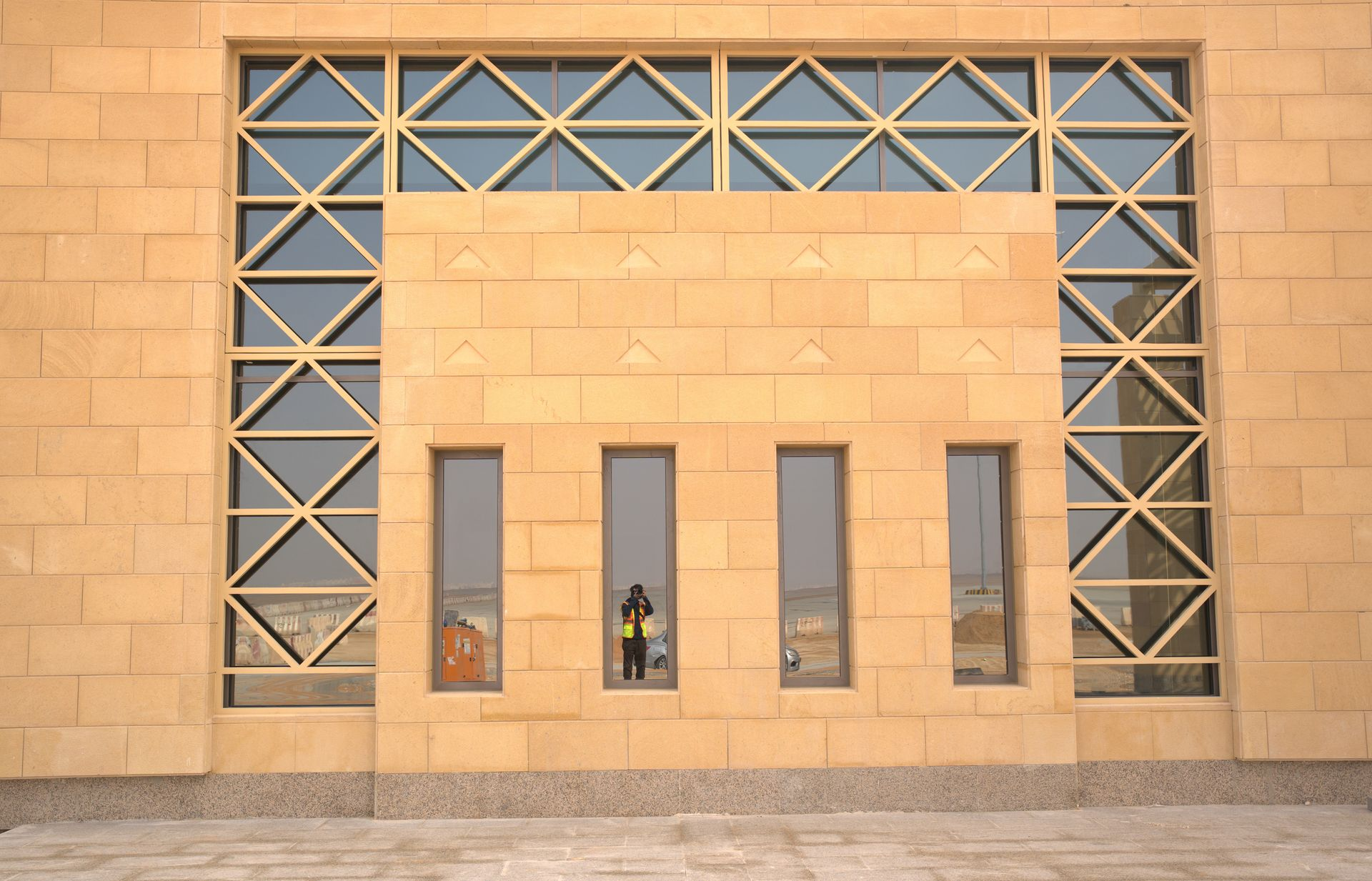
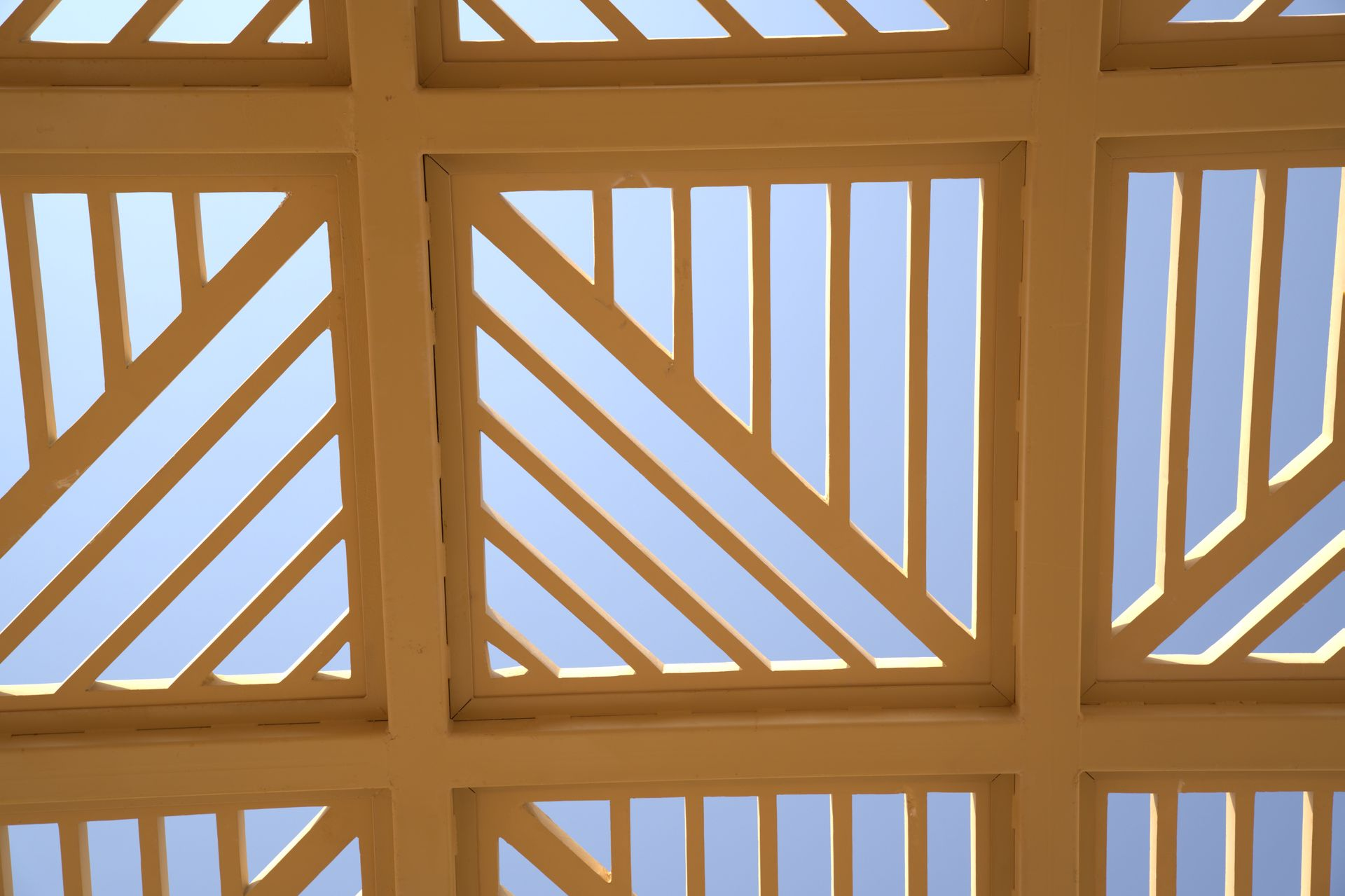
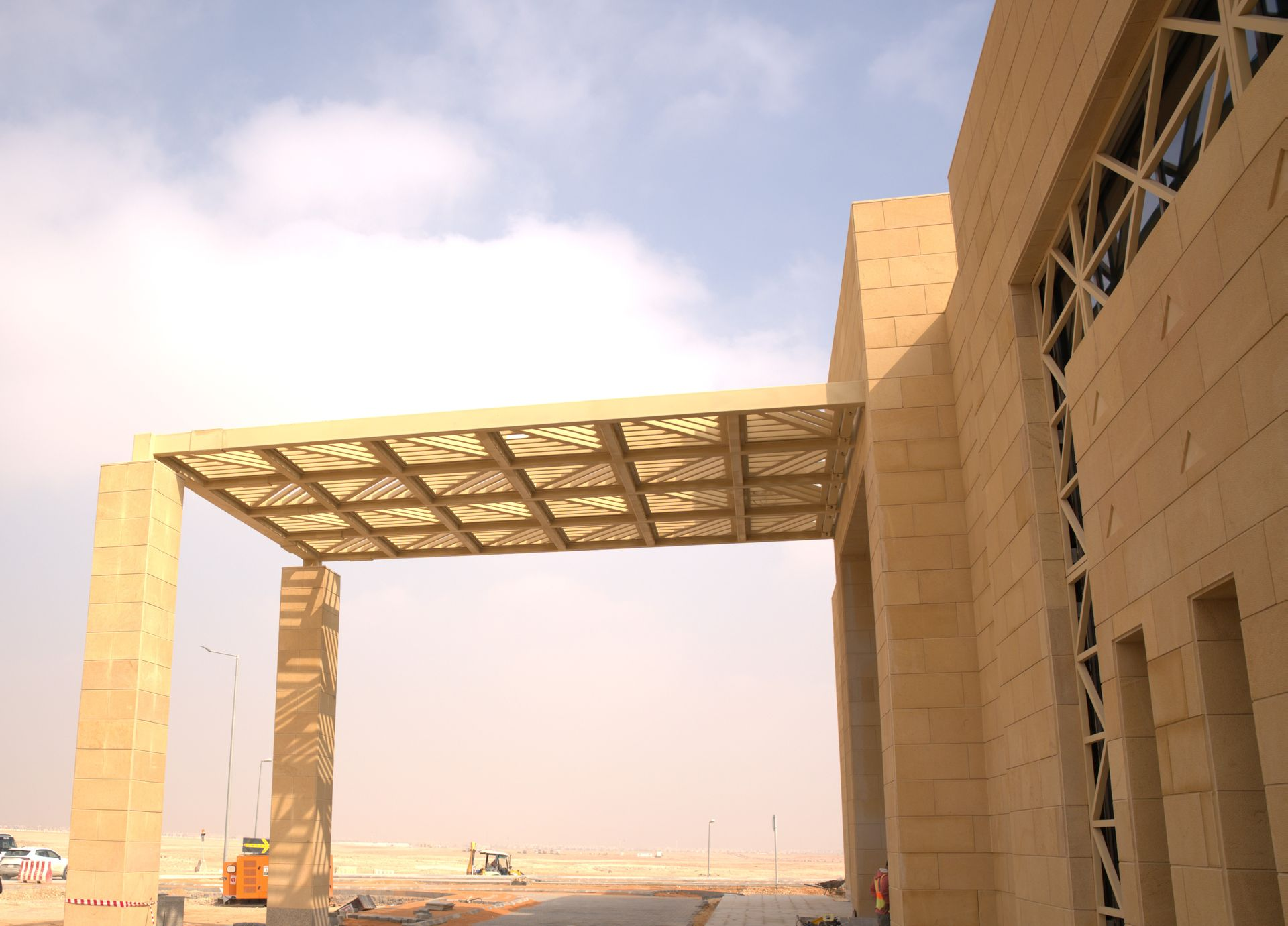
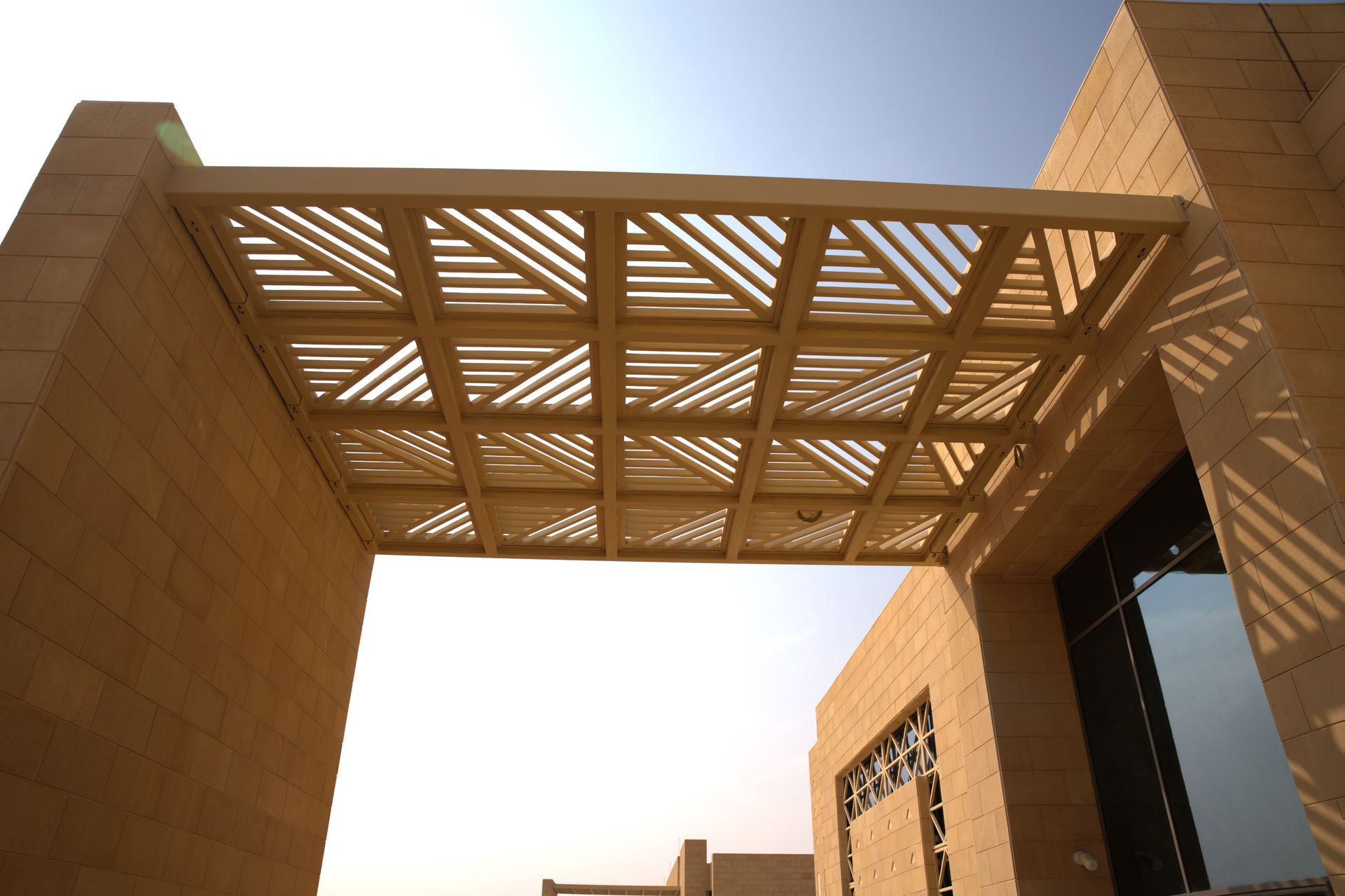
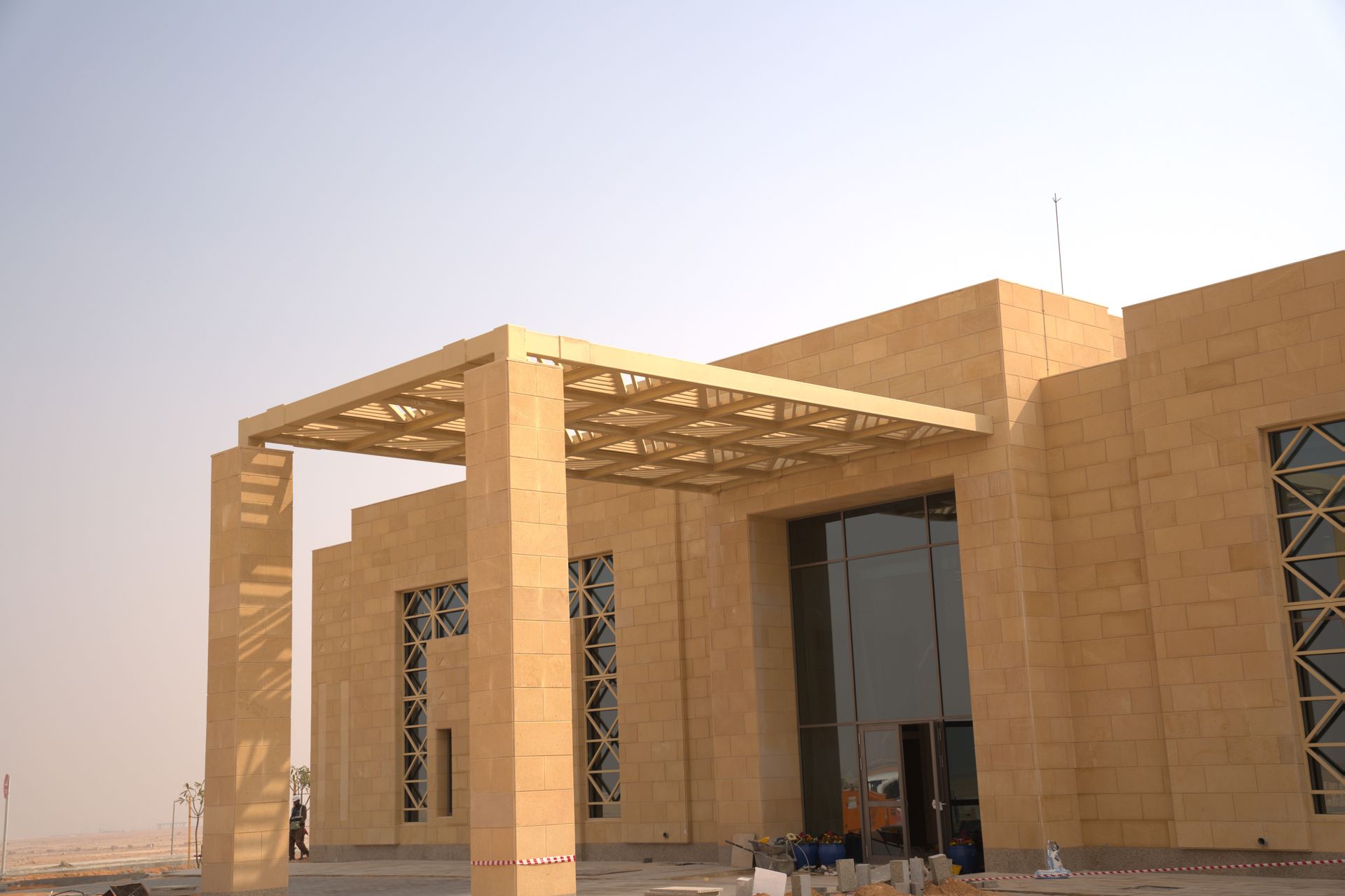
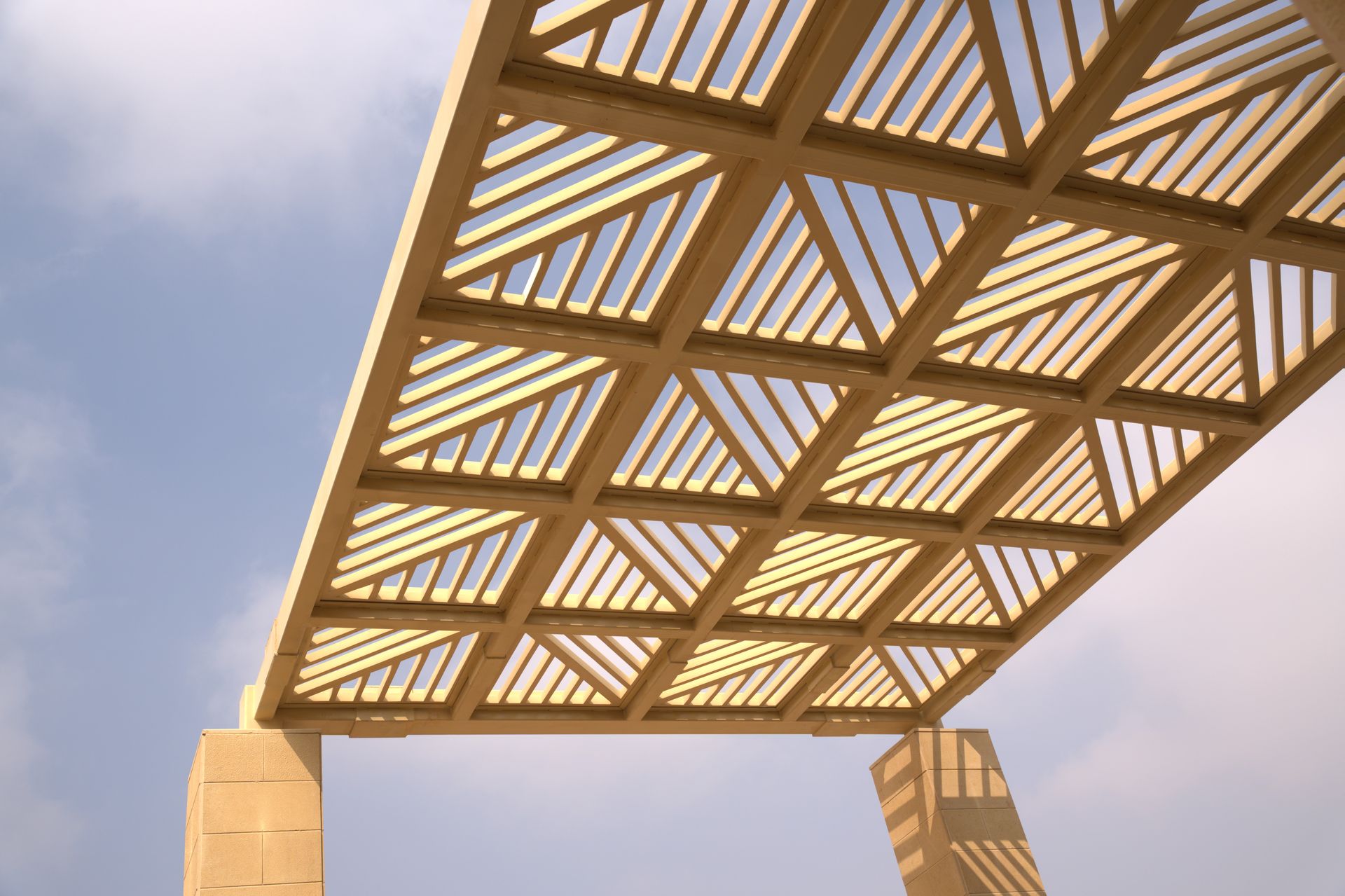
The Riyadh Air Base project involved the delivery of specialised GRC canopies, each designed with unique geometry and varying dimensional profiles. With no two units identical, the scope required individual mould development, calibrated production control and strict QA measures to ensure accuracy, consistency and structural alignment across all non-repetitive components.
Installation added further complexity, as all canopies were positioned at significant height and required disciplined lifting, precise alignment and continuous verification to achieve seamless integration with the supporting structure. Through coordinated surveys, controlled installation sequencing and elevated accuracy on site, the canopy package was delivered with precision, demonstrating our capability to handle complex geometries and demanding installation environments within a high-security aviation facility.
Challenges
The project introduced a combination of technical and execution-focused requirements that demanded a high level of control:
- Each canopy featured slight variations in form, requiring individual mould development and accurate replication of its specific curvature, dimensions and geometry.
- Installation took place at elevated heights, where maintaining stability, alignment and safe working practices was essential.
- Structural interfaces demanded tight tolerances, requiring continuous checking, controlled adjustments and precise installation sequencing.

Our Solutions
Technical Approach
Developed individual mould systems for each canopy profile, ensuring dimensional accuracy and consistent reproduction of all geometric variations.
Applied detailed QA procedures for canopy fabrication, verifying curvature, thickness, reinforcement and edge conditions before dispatch.
Prepared lifting and placement plans tailored to the height and configuration of each canopy zone.
Execution
- Close coordination with structural teams allowed each canopy to lock into its intended interface with the required tolerances.
- Controlled alignment procedures, including continuous level checks and calibrated adjustments, ensured accurate positioning of every canopy unit.
- Safe and efficient high level installation methods maintained stability and precision, resulting in a uniform and accurately aligned canopy system.